
LoveMaze
 lovemaze·Dec 18, 2025
The Role of Personality in Relationship Compatibility
Every relationship is a blend of two unique human beings — with different histories, reactions, values, and communication styles. These differences can either strengthen a bond or slowly pull partners apart, depending on how well they understand and accept each other’s personalities.
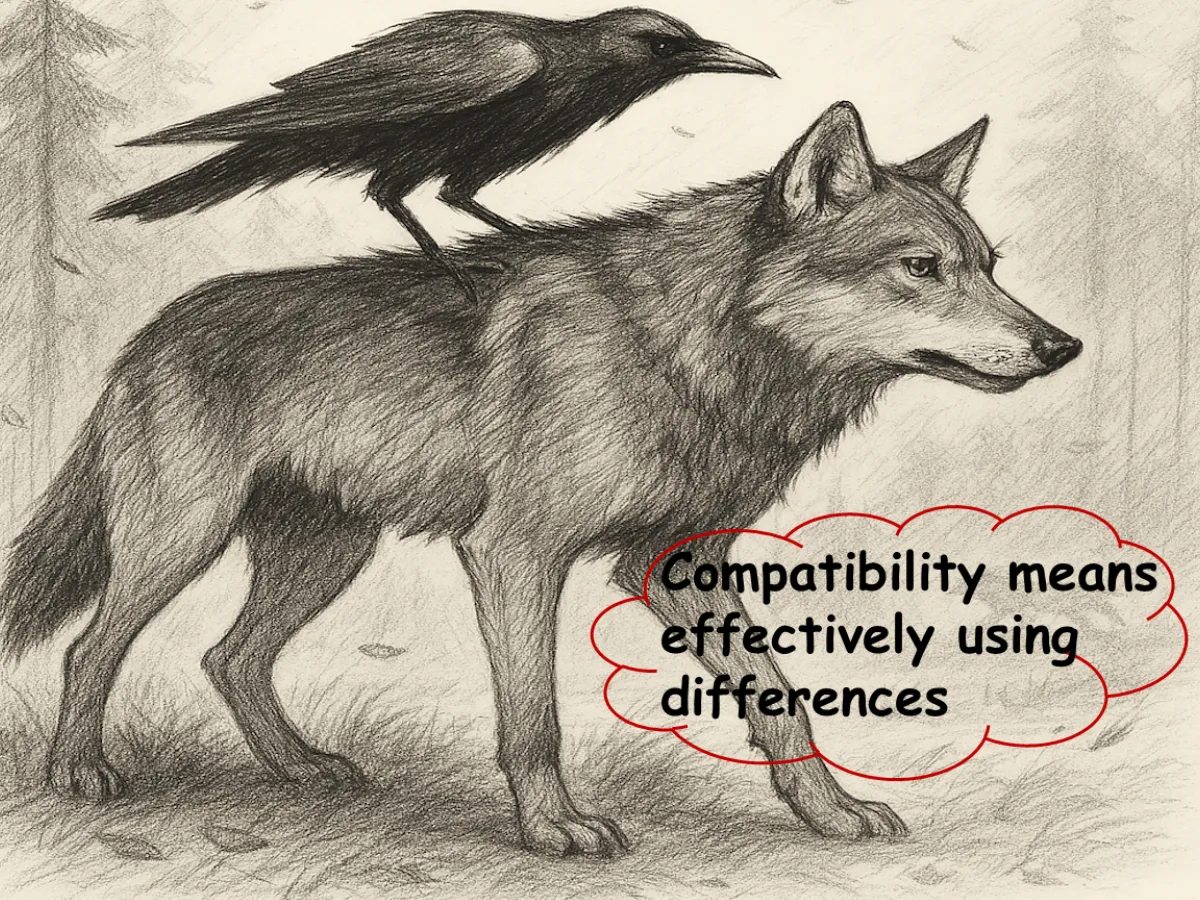
Personality compatibility doesn’t mean being identical. It means being able to honor each other’s individuality while building a life that works well for both.
This exploration is essential for avoiding the common pitfalls that come from ignoring these fundamental differences.
What Defines Personality in a Relationship?
Personality is the unique set of ingrained traits that shape how we:
Think, feel, and express emotions
Communicate and manage social engagement
Make decisions and handle stress
Show love and affection
Everyone brings a distinct personality style into a relationship. When those styles complement each other and are well-understood, connection grows. When they clash or remain unexplored, frustration and personality mismatch grow.
Why Personality Understanding Is Key to Emotional Safety
When personalities align — or when differences are well-managed — relationships feel: easier, emotionally safer, and more fun and fulfilling.
Personality compatibility supports:
Better communication: Understanding how your partner processes information.
Less conflict and more understanding: Reducing arguments over basic behavioral differences.
Stronger emotional and physical intimacy: Feeling safe enough to be vulnerable.
Lifestyle harmony: Aligning on shared goals and daily routines.
Mutual growth and teamwork: Utilizing different strengths for shared benefit.
When partners “get” each other, they don’t waste energy fighting basic differences — they celebrate them.
The Damage Caused by Personality Mismatch
A lack of personality compatibility or understanding can harm relationships in subtle but serious ways.
Common impacts of personality clashes include:
Consistent Misunderstandings: Differences in communication leading to chronic confusion.
Emotional Disconnection or Resentment: Feeling judged or misunderstood for being yourself.
Frequent Conflict: Arguments escalating over small behaviors or preferences.
Chronic Stress: Reduced trust and continuous effort to simply co-exist.
Loss of Excitement and Closeness.
Feeling Unappreciated or Incompatible Long-term.
Over time, these cracks can lead to breakups — not because love is missing, but because harmony is.
Typical Signs of Personality Incompatibility
If you’re struggling with personality mismatch, you might observe:
Differing Social Needs: One partner is highly social; the other needs deep privacy.
Conflicting Needs for Routine: One craves stability; the other needs spontaneity.
Emotional Avoidance vs. Expression: Clashes over how feelings should be shared during stress.
Conflict Escalation: Arguments quickly spiral due to opposing communication styles.
The "Too Much/Not Enough" Dynamic: One partner feels excessive; the other, withdrawn.
Control Attempts: Constant efforts to change or control the other person's fundamental behavior.
Lack of shared interests or struggle to enjoy time together.
These patterns don't mean a relationship can't work; they simply show where empathy, awareness, and adaptation are most needed.
How to Strengthen Personality Understanding
1. In Yourself - Cultivating Self-Awareness
Healthy relationships start with self-knowledge.
Understand Your Personality: Explore assessments (Big Five, Enneagram) to identify your core traits and reactions.
<What does your personality reveal?>
Identify Core Needs: Clearly define your non-negotiable needs (stability, autonomy, affection, fun) so your partner can love you better.
<Who can truly fulfill my needs?>
Owning your strengths and weaknesses: Growth comes from acknowledging both.
<Are you attracting the right crowds?>
Communicate Preferences Clearly: Don’t expect your partner to guess what works for you; use "I need..." statements.
Self-knowledge is a gift — both to you and those you love.
2. In Others - Supporting Different Personality Types
Differences can be enriching when handled with respect and curiosity.
Practice Curiosity, Not Judgment: Ask why they feel or react a certain way before making assumptions.
Learn Communication Styles: Adapt your approach. Some need space during conflict; others need immediate resolution.
Compromise over Competition: View partnership as collaboration, not dominance. Whose way is "right" is not important.
Appreciate the Balance: Value what your partner brings that you may lack—opposites can balance beautifully.
Encourage Growth, Not Change: Don't try to rewrite someone’s core personality; don’t demand they become someone else. Support their growth into their best self.
Love isn’t about molding someone into your ideal — it’s about valuing who they are.
Final Thoughts: Personality Is Part of the Love Story
Relationships thrive not because two people are the same —
but because they learn how to work with their differences.
Personality compatibility isn’t a fixed state — it’s a skill you build together:
Understanding each other more deeply
Adapting with empathy
Communicating needs and boundaries
Supporting mutual growth
When two personalities choose alignment over conflict and appreciation over judgment… love becomes easier, stronger, and far more joyful.