
LoveMaze
 lovemaze·Apr 19, 2026
What Non-Violence Means for a Secure Relationship
Non-violence in relationships extends far beyond the absence of physical harm. It means actively creating an environment where both partners feel safe, respected, and emotionally protected. It requires the ability to manage conflict, frustration, and anger without resorting to aggression, cruelty, or intimidation.
A non-violent partner demonstrates:
Calm Communication: Speaking without yelling, threats, or intimidation.
Emotional Regulation: Controlling impulses and reactions during disagreements.
<How well do you control your emotions?>
Respect for Boundaries: Honoring physical, emotional, and psychological limits.
<Are you considered respectful?>
Accountability: Taking ownership of actions and handling anger responsibly.
Compassion.
In essence:
Non-violence is fundamentally choosing love, respect, and understanding over power and control.
Why Non-Violence Matters in Love
Safety is non-negotiable in any partnership. Without emotional and physical security, intimacy, trust, and joy cannot flourish. Violence — even subtle forms — creates fear, anxiety, and emotional distance.
When both partners practice non-violence, they gain:
✅ Emotional security and durable trust: Proving the relationship is a safe haven, not a battlefield.
✅ Healthier conflict resolution: Addressing issues calmly, without aggression.
✅ Stronger intimacy: Vulnerability only exists where there is no fear.
✅ Respectful dynamics: A bond built on mutual esteem, not fear or coercion.
✅ Psychological and physical well-being: Reduced anxiety and hypervigilance for both individuals.
Safety is the soil where lasting love and partnership can grow.
The Damaging Impact of Violence and Emotional Aggression
Violence doesn’t always start as physical abuse — it often begins with emotional harm or psychological aggression before escalating. Even minor acts of aggression create deep, cumulative wounds and can destroy the relationship's core.
Common damage caused by a lack of non-violence:
🚫 Fear and hypervigilance: The victim constantly "walks on eggshells."
🚫 Loss of trust: Erosion of emotional closeness and respect.
🚫 Mental health issues: Increased anxiety, depression, and low self-esteem.
🚫 Shame and isolation.
🚫 Power imbalances and control issues: One partner gains control through intimidation.
🚫 Escalation risk: Increased danger that emotional aggression will turn physical.
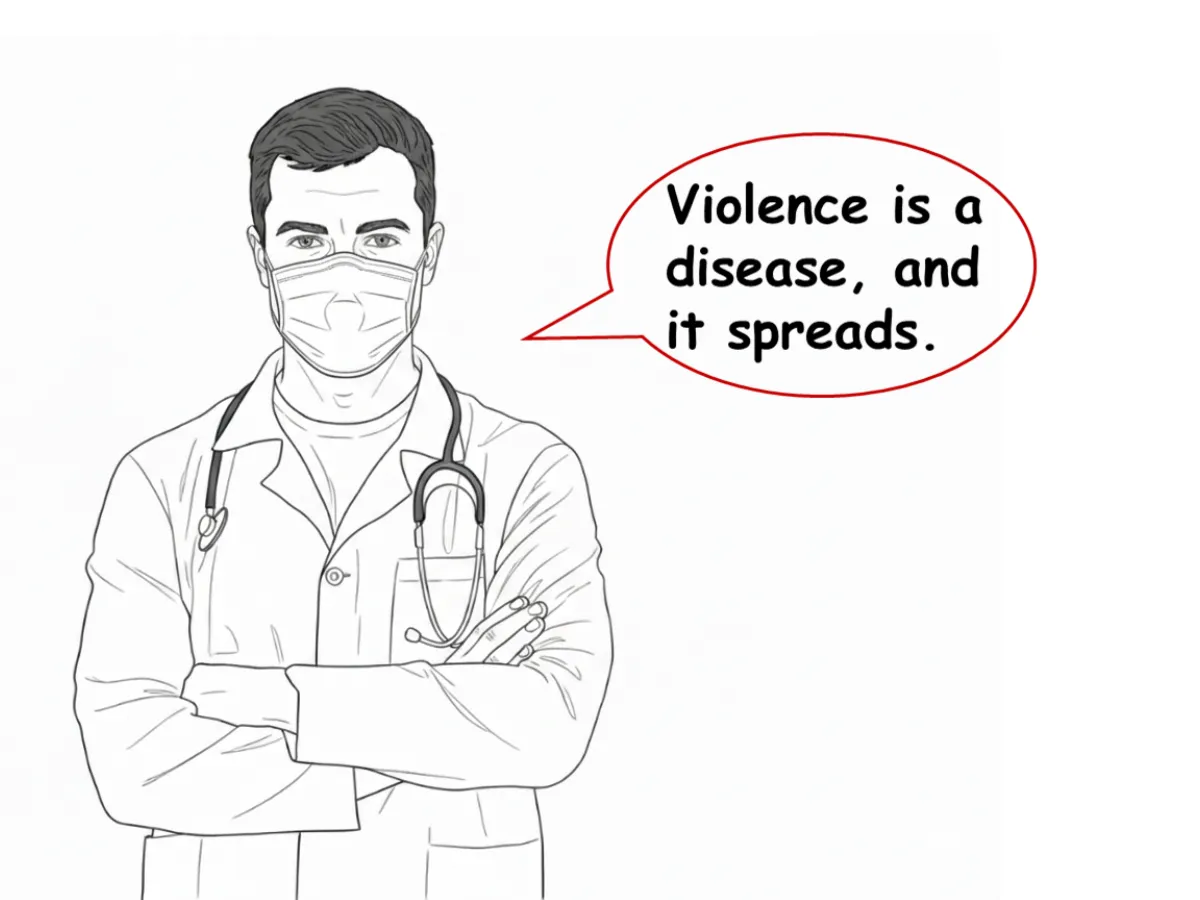
Violence is not merely a "conflict style" — it is a relationship destroyer.
Typical Behaviors Showing a Lack of Non-Violence
Warning signs of aggression or a lack of emotional control should never be ignored. They often signal a need for professional intervention.
Behaviors that erode emotional and physical safety:
Verbal Abuse: Yelling, name-calling, mocking, or cruel criticism.
Intimidation: Throwing objects, punching walls, or threatening behavior.
Blaming: Shifting responsibility for one's own anger onto the partner ("You made me mad!").
Physical Control: Restraint or forceful physical movement during conflict.
Jealousy or Control: Excessive monitoring, isolation, or control of finances/social life.
Punishment: Using the silent treatment as a weapon, or exploiting secrets/money.
Unpredictable Rage: "Explosive" moods that create chronic emotional terror.
Using children, money, or secrets as weapons.
These behaviors erode emotional and physical safety over time.
How to Build and Maintain Non-Violent Relationship Skills
1️. In Yourself - Strengthening Emotional Regulation
Healing violent or aggressive impulses requires self-awareness, courage, and often, professional help.
Supportive practices include:
🌿 Learn emotional regulation skills: Practice techniques like deep breathing and mindfulness to pause before reacting.
🧠 Identify anger triggers and patterns: Understand what sets off anger and practice avoiding or navigating those patterns calmly.
📣 Practice assertive communication instead of aggression: Learn to communicate needs powerfully without resorting to aggression.
🪞 Take responsibility: Own your actions completely, without making excuses or minimizing the impact.
💬 Seek counseling: Anger management or specialized therapy is vital if impulses feel uncontrollable.
❤️ Develop empathy by viewing your partner’s experience
Choosing non-violence is choosing maturity, love, and peace.
2️. In Others - Supporting Calm Communication (In a Partner)
Your safety is the first priority. Supporting a partner who struggles with aggression must be done with caution and respect for your safety.
Ways to encourage growth (when it’s safe to do so):
✅ Set firm boundaries against harmful behavior: Clearly state that any form of harmful behavior (yelling, hitting, threatening) is unacceptable and requires an immediate break.
✅ Suggest professional help: Encourage them to seek anger management or couples therapy.
✅ Reinforce calm communication during disagreements: Gently point out and praise instances where they manage conflict calmly.
✅ Praise progress — even small steps.
✅ Leave immediately: If threats escalate or violence occurs, prioritize your physical safety and leave the environment.
Remember: You cannot fix a violent partner — they must choose fundamental change.
Final Thoughts: Non-Violence Is the Foundation of Love
Non-violence is not optional—it is the bedrock of a secure partnership.
A relationship should always be a haven, not a battlefield. When both partners commit to safety, compassion, and calm conflict resolution, they create a bond where trust can flourish and connection can deepen.
Because love should never hurt — emotionally or physically.