
LoveMaze
 lovemaze·Dec 15, 2025
Loyalty: The Invisible Contract Between Two Hearts
Loyalty in a relationship is the deep commitment to choose your partner, protect the relationship, and act in alignment with shared values — even when no one is watching. It’s the combination of trust, devotion, integrity, and respect that reassures both partners they are safe and valued.
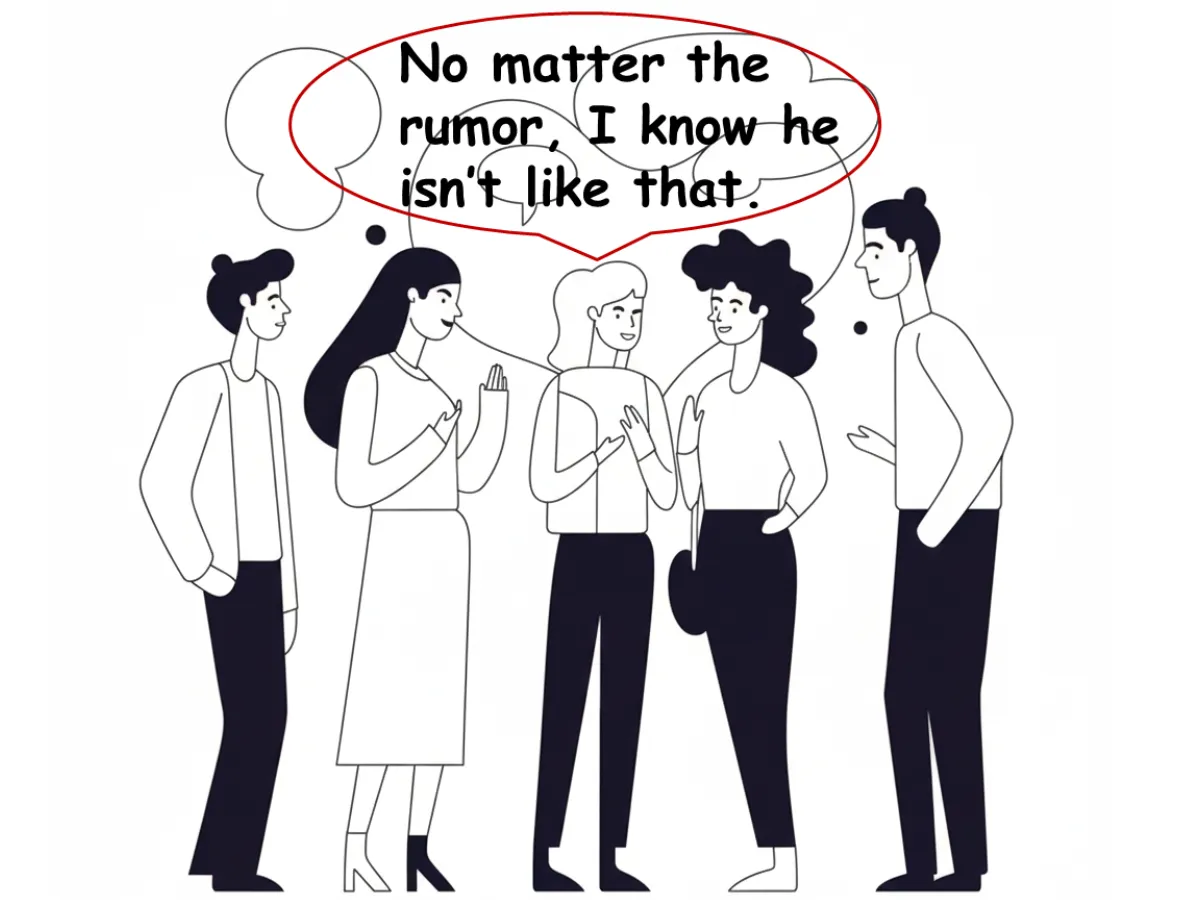
Loyalty is more than simply avoiding infidelity. It shows up in the way you speak about your partner to others, how you show up during hard times, and whether you prioritize the relationship when faced with temptation or distraction.
Why Loyalty Is Essential for Relationship Success
Healthy relationships thrive on emotional security. When loyalty is strong, partners relax into lasting love — knowing they can rely on each other without fear.
Loyalty is the engine that builds:
• Trust — confidence that your partner always has your back and acts with integrity.
• Emotional intimacy — honest vulnerability becomes possible because judgment and betrayal are feared less.
• Teamwork and Unity: A unified front that consistently withstands challenges and outside influence.
• Long-term connection — stronger bonds through life’s changes due to dependable commitment.
Loyalty makes love feel like home — safe, supportive, and enduring.
What Happens When Loyalty and Trust Are Missing
Disloyal behavior destabilizes the foundation of a relationship. Instead of emotional safety, fear grows. Instead of closeness, distance forms. Once trust is cracked, doubt begins to fill every interaction.
Lack of loyalty often leads to:
• Suspicion, jealousy, and anxiety (undermining emotional security).
• Frequent conflict and emotional withdrawal.
• Resentment and fear of betrayal.
• Loss of respect and appreciation.
• Difficulty making future plans together due to lack of faith in commitment.
Even if physical cheating never occurs, emotional betrayal — such as badmouthing a partner to others, secretive behavior, or prioritizing outside attention — can cause heartbreak just as severe as physical infidelity.
Behaviors That Signal Disloyalty or Emotional Betrayal
Disloyalty is not always obvious. It can show up in small, repeated choices that erode trust over time. Common warning signs of disloyalty include:
Keeping secrets or hiding communication (financial, digital, or social).
Flirting or seeking validation outside the relationship.
Speaking negatively about a partner behind their back (violating protection).
Failing to defend or protect the relationship from outside, negative influence.
Prioritizing self-interest over clearly shared commitments.
Breaking promises or changing stories to avoid accountability.
These behaviors communicate a fundamental lack of lasting commitment: “I’m not fully committed — just in case.”
And that uncertainty is deeply painful.
How to Strengthen Loyalty and Relationship Integrity
1. In Yourself-Cultivating Loyalty and Integrity
Loyalty is a personal value—one you reinforce through daily actions. To strengthen relationship integrity within yourself:
Practice Transparency: Be open and honest in your communication and actions.
Maintain Boundaries: Set and uphold clear boundaries that protect the relationship.
Take Responsibility: Own mistakes and initiate repair quickly and sincerely.
Honor Agreements: Follow through on the commitments you share with your partner.
Support Publicly and Privately: Defend your partner and your relationship consistently.
Align Intentions: Keep your heart, attention, and actions focused on the shared commitment.
A loyal partner continually asks: “Is this action healthy for us?”
2. In Others-Addressing Disloyalty and Rebuilding Trust in a Partner
Facing disloyalty is emotionally heavy. However, healing is possible when both partners are willing to rebuild trust through concentrated effort and emotional honesty.
Strategies to rebuild trust and address emotional betrayal:
Communicate Concerns Calmly: Have honest, self-regulated conversations about boundary breaches.
Set Clear Expectations: Establish and agree upon healthy relationship boundaries.
Seek Professional Help: Engage in couples therapy or counseling when trust has been severely damaged.
Act Consistently: Rebuild through small, consistent, trustworthy actions over time.
Address Root Causes: Explore insecurity, unmet needs, or poor boundaries that drove the disloyal behavior.
If a partner repeatedly chooses disloyal behaviors despite efforts to repair, self-protection and reevaluation become necessary.
Loyalty should never be one-sided.
Final Thoughts: Loyalty Makes Lasting Love Possible
Loyalty isn’t about perfection — it’s about devotion and consistency. It’s the steady reassurance that no matter how life shifts, we choose each other. When loyalty is present, love deepens and gains emotional security. When loyalty fades, even the strongest bond can weaken.
Commit to loyalty every day through honesty, respect, and integrity — and love will have the security it needs to grow into a truly lasting commitment..