
LoveMaze
 lovemaze·Dec 14, 2025
What Does It Mean to Be Dependable and Emotionally Reliable?
Being dependable means your partner can count on you — not just sometimes, but consistently. It’s the reliability to follow through on commitments, keep promises, and show up when it matters most.
Dependability looks like:
Being reliable with actions and responsibilities.
Communicating clearly and following through.
Being emotionally consistent and supportive (emotional reliability).
Keeping your word — especially when it’s inconvenient.
Being someone your partner can trust in both small and big moments.
Dependability communicates:
“You are safe with me — I mean what I say.”
It builds the foundation every healthy relationship stands on: trust.
Why Dependability Is Important for Long-Term Commitment
Love thrives in stability and predictability. When both partners demonstrate dependability, they build a bond rooted in trust and mutual respect, crucial for long-term commitment.
Being dependable provides:
Emotional safety: Your partner knows you won’t disappear or withdraw when things get tough.
Deeper Trust: Reliability fosters closeness, openness, and vulnerability.
Healthy Communication: Fewer misunderstandings or disappointments fueled by inconsistency.
Shared Teamwork: Life responsibilities are handled effectively together.
Commitment confidence: The relationship feels steady, secure, and future-oriented
Dependability is love in action — not just in words.
Damages and Impact Due to a Lack of Dependability
When reliability crumbles, insecurity grows. A partner who can’t be counted on creates imbalance, stress, and emotional confusion.
A lack of dependability often causes:
Uncertainty and anxiety about the relationship’s future.
Frustration from broken promises and inconsistency.
Increased arguments and deep resentment.
Emotional withdrawal — the partner stops depending at all.
Loss of respect and admiration.
Feeling alone while still technically “in a relationship.”
Over time, unreliability severely erodes love and turns partnership into survival mode.
Typical Behaviors That Reflect a Lack of Dependability
Undependability shows up in both practical actions and unstable emotional patterns.
Common signs of inconsistency include:
Frequently canceling plans, showing up late, or being generally unreliable.
Forgetting promises or responsibilities.
Making excuses instead of taking prompt accountability.
Being emotionally hot and cold (lacking emotional consistency).
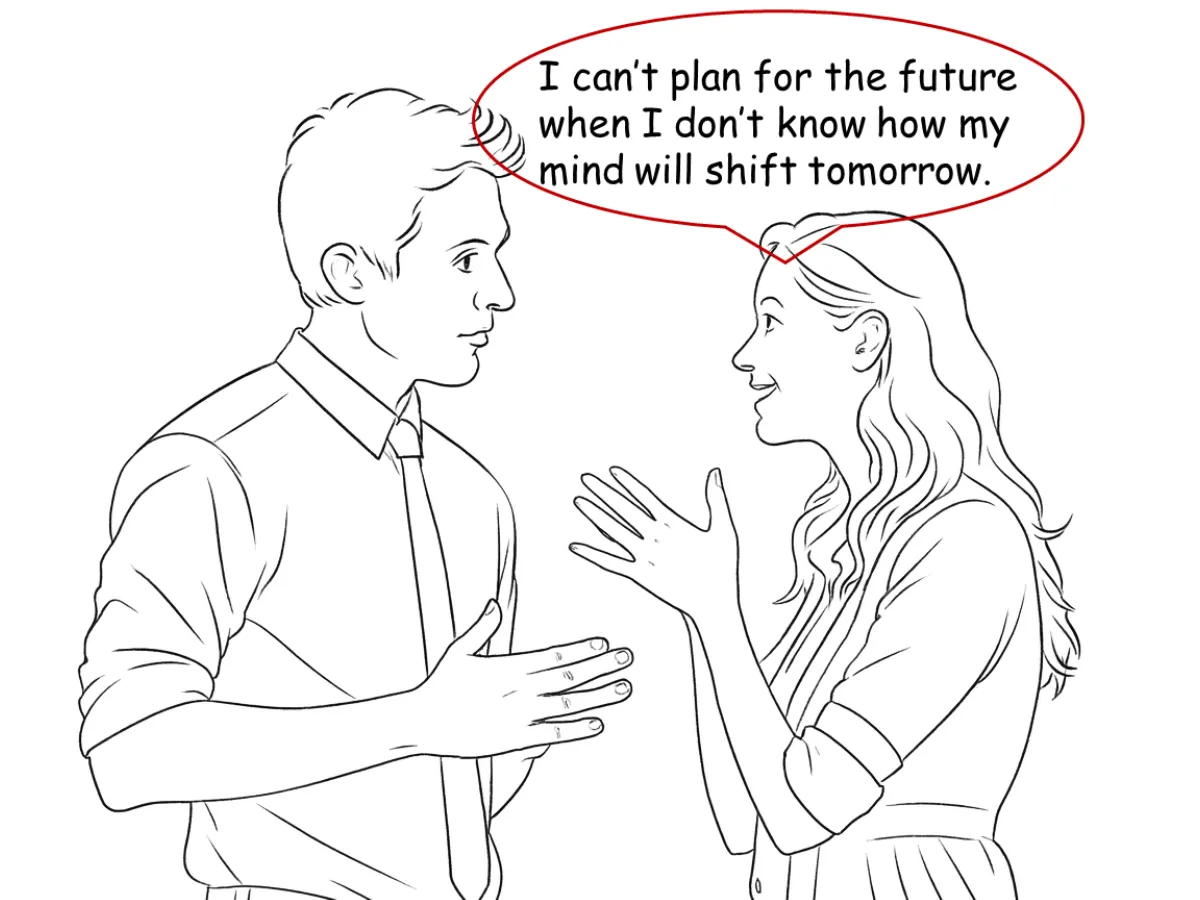
Avoiding difficult conversations or future-based commitments.
Lack of follow-through on goals or agreements.
Overpromising and underdelivering repeatedly.
These behaviors slowly break trust — one disappointment and one unreliability at a time.
How to Strengthen Dependability and Emotional Consistency
1. In Yourself-Building Reliability and Accountability
Dependability is a skill — built through intention and accountability. You strengthen it by being someone your partner can rely on daily.
Ways to become more dependable:
Integrity in Words: Say what you mean, and mean what you say.
Realistic Commitment: Only commit to what you can truly follow through on.
Improve Habits: Work on time management and planning habits.
Proactive Communication: Communicate changes or delays early and clearly.
Build Consistency: Establish routines and reliably handle responsibilities.
Repair Quickly: Apologize sincerely and repair the situation when mistakes happen.
Be someone you would rely on.
The small behaviors you repeat each day shape how trustworthy you become.
2. In Others-Supporting Emotional Reliability in Your Partner
Improving dependability in a relationship requires teamwork and encouragement, not criticism.
Healthy ways to foster relationship reliability:
Set Clear Expectations: Define specific, mutual expectations for reliability together.
Acknowledge Efforts: Appreciate and acknowledge their follow-through and consistency.
Share Responsibilities: Ensure shared effort—no partner should carry the load alone.
Encourage Structure: Offer help with planning and structure when needed.
Communicate Concerns Calmly: Address issues of inconsistency early and without attacking their character.
Seek Support: Suggest counseling or coaching if patterns of unreliability are deeply rooted.
Help each other become dependable — for each other and for the relationship’s future.
Final Thoughts: Reliability Protects Love
Dependability might not sound glamorous — but it is one of the strongest expressions of love.
It’s the daily choice to show up, support, and protect the relationship's foundation.
When partners can rely on each other fully, the relationship becomes a source of comfort, confidence, and stability.
Because true love isn’t just how you feel —it’s what you do, over and over again.