
LoveMaze
 lovemaze·Dec 15, 2025
What Is Fair-Mindedness and Relationship Equality?
Being fair-minded in a relationship means valuing equality, balance, and mutual respect. It involves considering both partners’ needs, feelings, and perspectives before making decisions or judgments. Fair-mindedness reflects openness, emotional maturity, and a commitment to shared partnership rather than self-interest.
A fair-minded person:
Strives to understand both sides of a situation.
Avoids double standards or favoritism.
Shares responsibilities and decision-making.
Communicates with honesty and transparency.
Recognizes when compromise is necessary.
Admits when they’ve been unfair and takes steps to correct it.
When fairness is present, both partners feel valued — not measured against different rules or expected to carry unequal weight in the relationship (achieving relationship equality).
Why Fair-Mindedness Is Important for Trust and Emotional Balance
Every relationship functions best as a partnership of equals. When both people feel heard, respected, and treated fairly, trust deepens and love grows stronger, supporting emotional balance.
Fair-mindedness supports the relationship by:
Preventing resentment and emotional imbalance.
Enhancing communication and effective problem-solving.
Encouraging teamwork and shared emotional effort.
Building a secure foundation of trust and respect.
Reducing conflict caused by power struggles.
Promoting long-term relationship stability.
Fairness allows love to feel safe — not conditional, controlling, or competitive.
Damages and Impact Due to a Lack of Fair-Mindedness
Unfair behavior or a lack of fair-mindedness can make a relationship feel one-sided and emotionally draining. When one partner’s needs consistently outweigh the other's, the imbalance affects both the connection and the individuals.
A lack of fairness commonly results in:
Growing resentment and emotional withdrawal.
Constant arguments or defensive communication.
Feeling judged or dismissed instead of understood.
Power imbalances where one partner feels “less than.”
Erosion of trust and intimacy over time.
Mental and emotional exhaustion..
When relationship equality disappears, the relationship becomes a scoreboard instead of a supportive, loving bond.
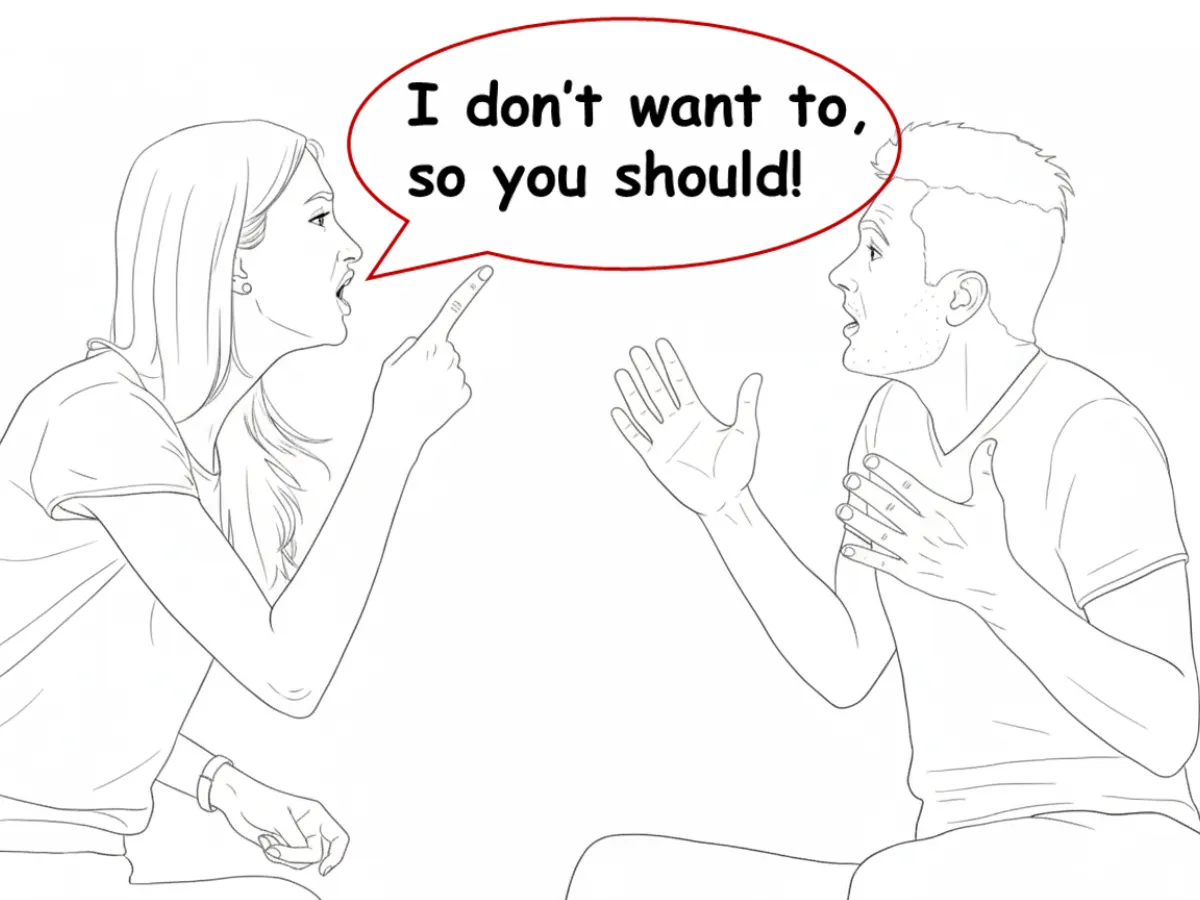
Typical Unfair Behaviors and Double Standards
Unfairness can show up in small daily behaviors as well as larger, systemic patterns. These habits slowly weaken the relationship’s equality and teamwork.
Common signs of unfairness and double standards include:
Double standards — expecting what you never offer yourself.
Keeping score of who contributes or sacrifices more.
Blaming the partner rather than taking shared responsibility.
Dominating decisions or dismissing the partner’s input.
Unequal workload or disproportionate emotional labor.
Ignoring their feelings while consistently prioritizing your own.
Rarely compromising on needs or wants.
These behaviors send the damaging message that one person’s needs matter more — and that can deeply damage emotional safety.
How to Build and Maintain Fair-Mindedness in Relationships
1. In Yourself-Cultivating Fairness and Integrity
Fairness begins with awareness and integrity. It requires constantly checking your assumptions and ensuring your actions reflect equality rather than ego.
Ways to strengthen fairness:
Practice active listening: Seek to understand their perspective before planning your response.
Check Expectations: Honestly assess if your expectations for your partner are balanced.
<What do you really hope for?>
Share Effort: Consciously divide responsibilities, decisions, and emotional labor.
Reflect Calmly: Review feedback without becoming defensive.
The Role Reversal Test: Ask: “Would I feel okay if the roles were reversed?”
Admit when you’re wrong — and make it right.
Fair-minded love is accountable love.
2. In Others-Encouraging Relationship Equality in Your Partner
Promoting fairness in your partner is best done through collaboration and compassion, not confrontation or criticism.
Ways to encourage relationship equality:
Communicate Calmly: Have honest conversations about balance and fairness in specific areas.
Use "We" Language: Focus on partnership and teamwork, not assigning blame.
Acknowledge Efforts: Show appreciation when they demonstrate fairness or compromise.
Suggest Shared Systems: Create joint systems for managing chores, finances, or time.
Revisit Agreements: Be willing to discuss and adjust agreements when things feel uneven.
Model Fairness: Consistently demonstrate fair-minded behavior yourself.
Healthy relationships are built by two people working with each other — not against each other.
Final Thoughts on Equality and Respect
Being fair-minded is a powerful expression of lasting love. It protects the relationship from resentment, prevents emotional imbalance, and creates a sense of equality that allows both partners to thrive. When fairness becomes a shared value, love stays respectful, connected, and deeply fulfilling.
Fairness isn’t about keeping score — it’s about lifting each other up equally.