
LoveMaze
 lovemaze·Dec 25, 2025
What Is Healthy Conflict Resolution in a Relationship?
Conflict resolution is the ability to address disagreements with respect, clarity, and teamwork. Healthy partners view disagreements not as attacks, but as opportunities to strengthen the bond.
Instead of blaming or ignoring problems, successful partners communicate to:
Understand each other’s perspectives (empathy).
Identify the root issue rather than focusing on surface arguments.
Find mutually satisfying solutions (win-win).
Repair the emotional connection and damage afterward.
In strong relationships, the goal isn’t to never fight — it’s to fight fairly and recover stronger, focusing on working with each other rather than against each other.
Why Healthy Conflict Resolution Matters for Long-Term Stability
Every couple faces misunderstandings, stress, and disagreements. Healthy resolution is what turns conflict into connection and growth, boosting long-term relationship stability.
When conflict is handled well, couples experience:
✅ Increased trust and emotional safety: Proving the relationship can weather storms.
✅ Better communication and understanding: Deepening perception of needs and triggers.
✅ Reduced resentment and stress: Preventing small issues from becoming emotional landmines.
✅ Stronger intimacy and long-term stability.
✅ A deeper bond through overcoming obstacles together.
Good conflict resolution essentially says:
“This relationship matters more than being right.”
Damages From Unresolved Conflict and Poor Repair Skills
When couples struggle to resolve conflicts effectively, small issues become emotional landmines and patterns of distress and mistrust form.
Unresolved conflict doesn't go away—it grows and erodes love from the inside.
Common negative impacts include:
Resentment and Emotional Distance: The primary drivers of disconnection.
Frequent or Explosive Arguments (or conversely, complete avoidance).
Harmful Behaviors: Stonewalling, avoidance, or silent treatment.
Breakdown in Communication: Difficulty talking about anything serious.
Feelings of Loneliness within the relationship.
Higher Chance of Breakups or Divorce as security fades.
Anxiety walking on eggshells.
Loss of intimacy and teamwork.
Unresolved conflict doesn’t go away — it grows and erodes love from the inside.
Typical Unhealthy Conflict Behaviors to Avoid
Difficulty with conflict resolution often manifests as behaviors that reflect limited repair skills:
Blaming or criticizing instead of problem-solving.
Defensiveness or refusal to take responsibility.
Stonewalling: Shutting down, withdrawing, or emotionally ghosting the partner.
Keeping score or bringing up past grievances to win the current fight.
Verbal attacks: Yelling, name-calling, or personal attacks (Contempt).
Punishing behavior instead of communication.
Avoiding conflict entirely: Prioritizing temporary "peacekeeping" over true resolution.
These habits create a cycle where each new disagreement re-intensifies old wounds.
Essential Skills to Build Healthy Conflict Resolution
1. In Yourself - Strengthening Conflict Skills
Healthy conflict resolution starts with emotional regulation and communication skills:
🌿 Pause Before Reacting: Stay mindful; practice deep breathing to prevent a reactive spike.
🌿 Express feelings clearly: Use “I” statements to communicate impact, not blame.
🌿 Listen to understand, not to win: Focus on your partner's perspective, not just waiting for your turn to speak.
🌿 Validate your partner’s experience
🌿 Stay solution-focused: Pivot the conversation by asking, “What do we need to fix this?”
🌿 Apologize sincerely when needed: Focus on the impact of your actions, not your intentions.
🌿 Remember teamwork: Reiterate that you are on the same side.
Repairing the moment is more important than winning the argument.
2. In Others - Your Partner-Encouraging Healthy Repair in Your Partner
Encouraging better behavior requires compassion and clear boundaries:
💛 Discuss conflict patterns calmly: Talk about how you fight during a time of peace.
💙 Praise progress, not perfection: Use positive reinforcement when they show effort (e.g., stopping the stonewalling).
❤️ Ask questions to understand their perspective.
💚 Set boundaries on disrespect: State clearly that yelling or name-calling will result in a time-out (cooling-off break).
💜 Suggest tools: Propose reading a book, watching a video, joining workshops, or seeking couples therapy together.
🧡 Practice cooling-off breaks when emotions escalate.
💜 Model calmness: Your regulated response often helps regulate theirs.
Healthy conflict becomes a shared responsibility, not a unilateral demand.
The Goal: Repair, Connection, and Resilience
Even the most loving couples argue. What matters is the ability to use relationship repair skills to quickly and kindly come back together.
Conflict resolution transforms relationship challenges into:
✨ Deeper emotional connection and vulnerability.
✨ Stronger mutual respect and admiration.
✨ A robust sense of safety and partnership
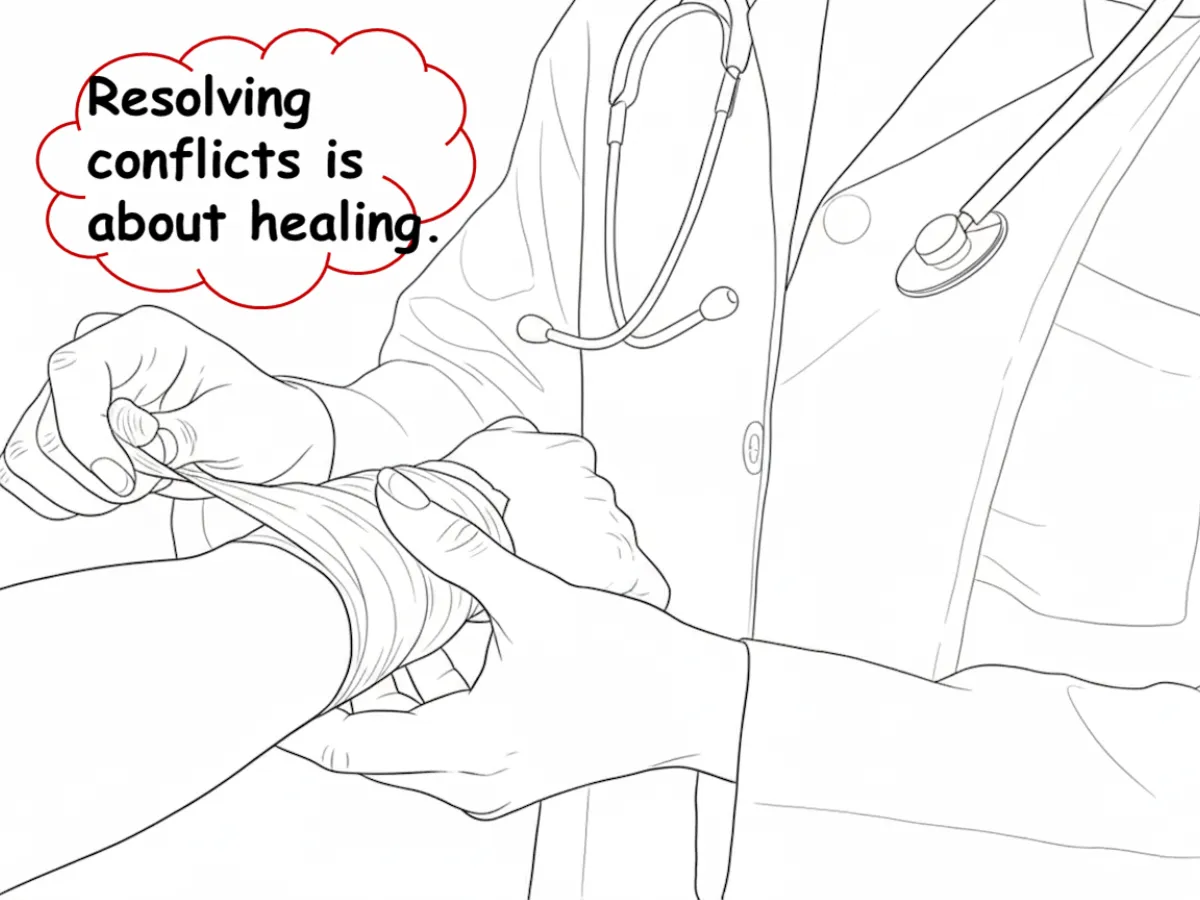
When couples learn to repair well, love becomes more resilient than ever.
Final Thoughts
A relationship’s success isn’t measured by how rarely you fight —
but by how beautifully you reconcile.
Conflict is unavoidable. Disconnection doesn’t have to be.
With understanding, patience, and the right skills, conflict becomes an opportunity to grow closer rather than further apart. Because in the end, healthy love knows how to heal.